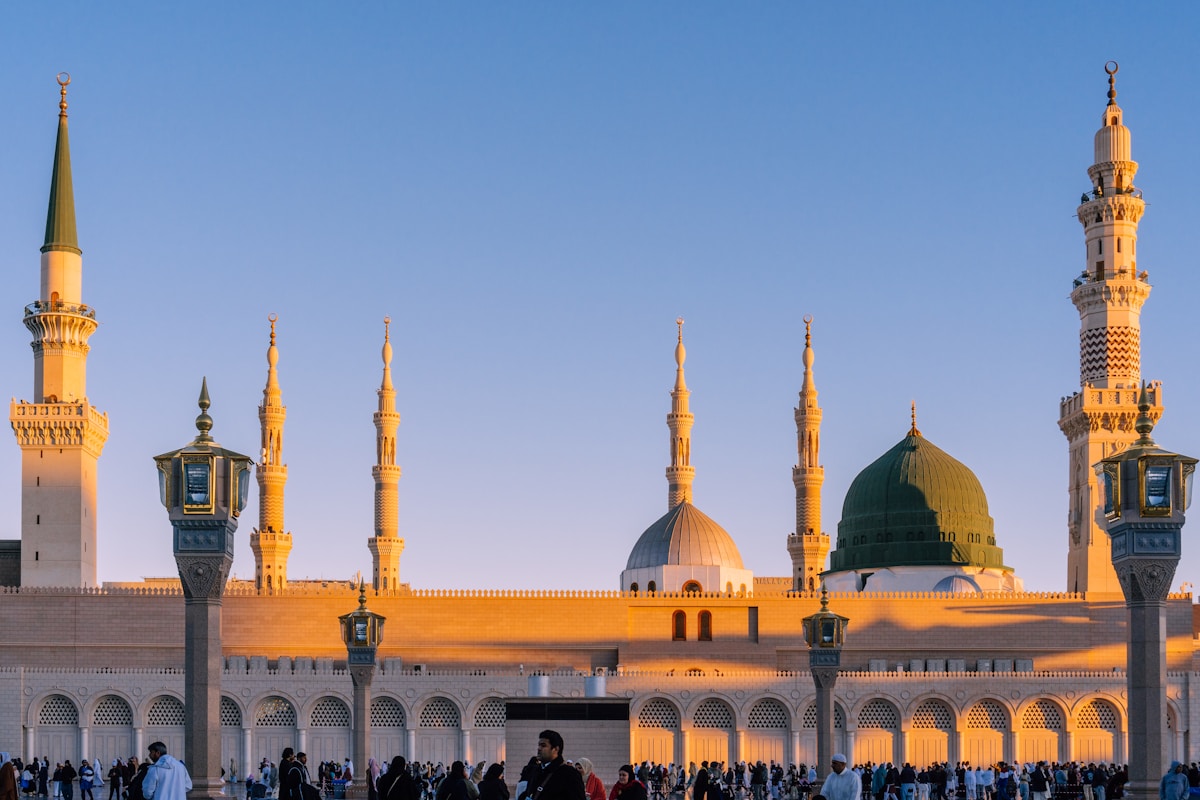
I'll be honest with you. The first time someone told me to visit Al-Balad, I almost didn't go. "Another old town," I thought. I'd seen plenty in my travels. But something about the way my Saudi colleague described it made me curious. "It's not like those preserved European old towns," he said. "People still live there. It's messy and real."
He was right. And wrong. Al-Balad is both messy and extraordinary. It's a UNESCO World Heritage site where you can buy fresh bread from a bakery that's been in the same family for four generations. Where the coral stone buildings that once housed wealthy merchants now hold tiny coffee shops and unexpected art galleries.
Getting Lost on Purpose
Here's my advice, and it might sound counterintuitive: don't use Google Maps when you first arrive. Seriously. The magic of Al-Balad is in getting lost. The narrow alleyways twist and turn in ways that don't make logical sense, and that's the point. This district wasn't designed for efficiency. It was designed for community, for shade, for privacy.

The famous wooden mashrabiya screens that keep interiors cool. Photo source: Unsplash
My first visit, I wandered for three hours. I found a spice shop where the owner, a man named Ahmad, insisted I try his cardamom-heavy coffee blend. He told me his grandfather had traded spices along the pilgrimage routes when Jeddah was the main gateway for Hajj pilgrims. That conversation, in a dusty shop the size of my bathroom back home, taught me more about Jeddah's history than any museum ever could.
"Al-Balad isn't dead. That's what the tourists don't understand. We're not a museum. My family has been here since before the Saudis unified the country."
What You'll Actually See
The architecture here is genuinely unique. The buildings are made from coral stone pulled from the Red Sea, which gives them this pinkish-white color that glows in the late afternoon light. The famous mashrabiya screens, those intricate wooden lattice panels you see on every balcony, aren't just decorative. They were designed to let women look out at the street without being seen, and to create airflow in the brutal summer heat.
Practical Tip
Visit between 4 PM and 7 PM in summer, or any time on winter mornings. The light is beautiful, the heat is manageable, and the shops are open. Avoid Friday mornings when most places are closed for prayer.
Some buildings are five or six stories tall, which was impressive for the 19th century. Look up constantly. The details are above eye level: carved wooden doors, decorative stonework around windows, rooftop rooms where families would sleep during the hottest months to catch the sea breeze.
The Places I Actually Recommend
Naseef House
This is the one "must-see" that deserves the title. Naseef House is a beautifully restored merchant's home that's now a museum. The family who built it was so wealthy and influential that the founding king of Saudi Arabia, Abdulaziz Ibn Saud, stayed here when he took Jeddah in 1925. The architecture alone is worth the visit, but the small exhibits about local history and trade are genuinely interesting.
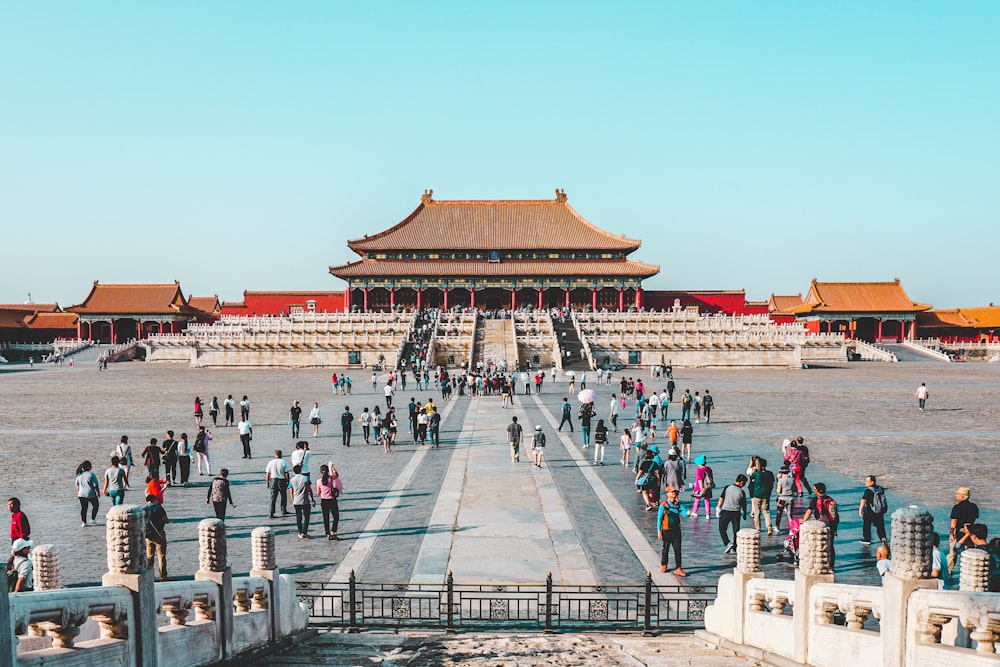
Traditional interior courtyard architecture typical of wealthy merchant homes. Photo source: Unsplash
The Art Scene
This surprised me. Al-Balad has become something of an unofficial art district. Small galleries have opened in restored buildings, showing work by Saudi and international artists. During my time in Jeddah, I stumbled into at least four different spaces displaying everything from traditional calligraphy to contemporary photography. Most don't have regular hours, so just try doors if they look interesting.
Souq Al-Alawi
The main market street. Yes, it's tourist-friendly, but it's also where locals actually shop for spices, textiles, and gold. The key is to go early morning before the tour buses arrive, or late evening when families come out. The gold shops are worth browsing even if you're not buying. Saudi gold is sold by weight with minimal markup for craftsmanship, which means prices are surprisingly reasonable compared to European or American jewelers.
My Honest Assessment
Al-Balad isn't perfect. Some buildings are crumbling, some alleyways smell like sewage, and the restoration work is ongoing and sometimes haphazard. But that's part of what makes it real. This isn't a sanitized heritage site built for Instagram. It's a living neighborhood that happens to be extraordinarily old.
The Saudi government is investing heavily in restoration, which is both good and concerning. Good because these buildings need protection. Concerning because there's always a risk of turning authentic places into themed attractions. Visit now, while Al-Balad still feels like a neighborhood and not a theme park.
What to Wear
Dress modestly out of respect. Women should cover shoulders and knees, though headscarves aren't required. Comfortable walking shoes are essential. The streets are uneven stone, and you'll walk more than you expect.
Getting There
Al-Balad is in central Jeddah, near the old port. If you're taking a taxi, say "Al-Balad" or "Bab Makkah" (the main gate). Uber and Careem work well. There's parking nearby, but the streets are narrow enough that driving in isn't recommended.
Budget about three to four hours for a proper visit. You could rush through in an hour, but you'd miss the point. The best experiences here come from wandering slowly, accepting tea from shopkeepers, and letting the place reveal itself gradually.
Further Reading
For more detailed historical context, the UNESCO World Heritage page for Al-Balad has excellent documentation. The Saudi Tourism Authority also provides practical visitor information, though their recommendations tend toward the sanitized version.